Valentine’s Day Jumbo Snack Card
A Designer’s First Look: Playful, Bold, and Built for Gifting
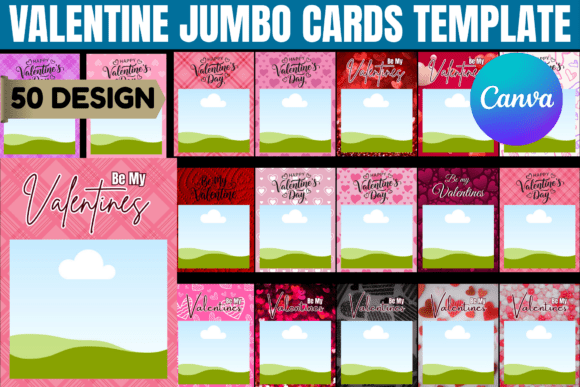
When I opened the Valentine’s Day Jumbo Snack Card in Canva, my first thought wasn’t “cute”—it was “usable.” As someone who regularly translates digital graphics into machine embroidery designs, I immediately scanned for what matters most: clean edges, intentional negative space, and visual hierarchy that holds up when stitched. This isn’t a delicate script or an overly ornate monogram—it’s a bold, friendly, snack-themed valentine with chunky lettering, rounded hearts, and a layout that feels like it belongs on a tote bag handed to a teacher, a pillow cover gifted at a baby shower, or a custom apron for a bakery owner’s Valentine’s pop-up.
Where It Shines in Real Embroidery Projects
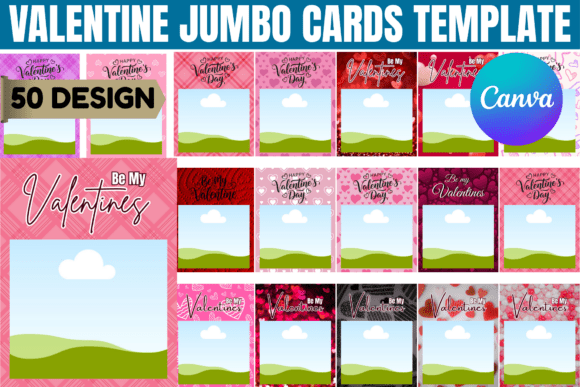
I tested the Valentine’s Day Jumbo Snack Card as a design asset for a client’s small-batch embroidered tote line—and it landed perfectly. The shape (a wide, slightly rounded rectangle) mirrors standard hoop sizes used for tote bag fronts, making placement intuitive. Its central heart motif and short, capitalized phrase (“YOU’RE SWEET!”) read clearly even at 4.5 inches wide—the sweet spot for sweatshirt chest embroidery or pillow covers. Because it’s built as a Canva template, not a pre-digitized embroidery file, it gives me full control over scaling, color blocking, and simplification before sending it to digitizing software.
It works especially well for baby embroidery and nursery decor: the soft curves and generous spacing between elements avoid the “crowded” look that can happen with dense fill stitches on tiny onesies. On tea towels? Yes—its graphic simplicity means it won’t blur or bleed during repeated washing. For Etsy sellers offering personalized gifts, the photo collage area (built into the Canva layout) lets customers add a child’s drawing or pet photo *before* embroidery—making it a hybrid digital + handmade product that stands out in search results for “personalized Valentine’s gift.”
Where to Pause—and Plan Ahead
This isn’t a one-size-fits-all embroidery file. Because it’s a Canva-based graphics template—not a ready-to-stitch embroidery file—you’ll need to digitize it yourself or work with a digitizer. That means checking carefully before stitching:
- Hoop size matters. The full layout is jumbo by design, so shrinking it too far for a cap or curved surface risks losing legibility in the lettering or heart details.
- Fabric texture changes everything. On terry cloth towels or fuzzy fleece, fine outlines may disappear; simplify those lines or reinforce them with satin stitch borders.
- Dark fabric needs contrast testing. Run a black-and-white mockup first—some of the lighter pastel accents in the original Canva version won’t translate without deliberate thread color swaps.
- Small lettering = high risk. The secondary text (“Snack Card,” “Treats & Love”) is charming but borderline too fine for under-3-inch hoops. I resized it up 15% and tightened kerning before digitizing for a patch project.
What It Adds to Your Finished Product—Beyond Aesthetics
The Valentine’s Day Jumbo Snack Card elevates perceived value because it feels intentional—not generic. Customers notice when a design has breathing room, balanced weight, and thematic cohesion (snacks + love = warmth, humor, approachability). That builds trust, especially for craft businesses selling on Etsy or at local markets. When I stitched it onto a natural linen pillow cover, buyers commented on how “thoughtful” and “not-too-cutesy” it felt—a rare win for holiday-themed embroidery.
For commercial embroidery, its versatility supports brand consistency: use the same layout across a boutique’s Valentine’s collection—tote bags, matching aprons, and mini tea towel sets—all unified by that recognizable card shape and tone. And because it’s designed as a customizable template, it scales naturally from hobbyist gifting to small shop merchandise without looking mass-produced.
Practical Notes Every Embroidery Designer Should Keep Handy
Before turning the Valentine’s Day Jumbo Snack Card into a finished product, do these five things:
- Test on scrap fabric first—especially if using textured or stretchy material like jersey or terry cloth.
- Review stitch density in your digitizing software. Areas with tight clusters of hearts or layered text may need reduced fill stitch density to prevent puckering.
- Confirm licensing terms. Since this is a Canva template, double-check whether your intended use (e.g., selling embroidered totes on Etsy) complies with Canva’s commercial license for graphics.
- Use appropriate stabilizer. Medium-weight cutaway works best for structured items like tote bags; tear-away is fine for stable cotton tea towels.
- Compare light and dark background mockups. What reads beautifully on white linen may vanish on charcoal denim—adjust thread colors accordingly.
Final Thought: A Smart Starting Point, Not a Finish Line
The Valentine’s Day Jumbo Snack Card isn’t magic—it’s a well-structured, mood-aligned design asset that earns its place in a working designer’s toolkit. It doesn’t replace digitizing skill or fabric knowledge, but it saves hours of layout work and delivers a foundation that feels cohesive, joyful, and commercially viable. Whether you’re prepping for a holiday craft fair, building an Etsy collection, or creating a custom embroidered gift for a friend, this template gives you clarity—not clutter. Just remember: great embroidery starts with smart design choices, not just pretty pixels. And this one? It’s both.