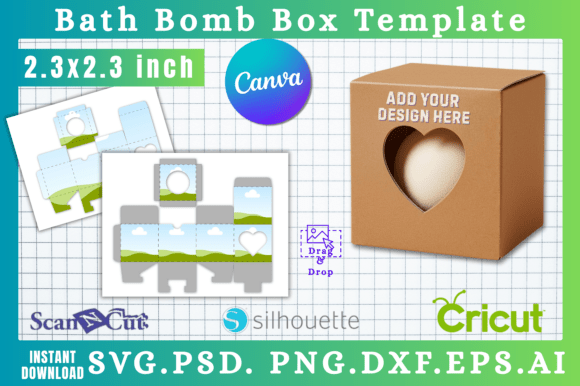
2.3 Bath Bomb Box Heart Window Template
A Designer’s First Look: Sweet, Simple, and Surprisingly Versatile
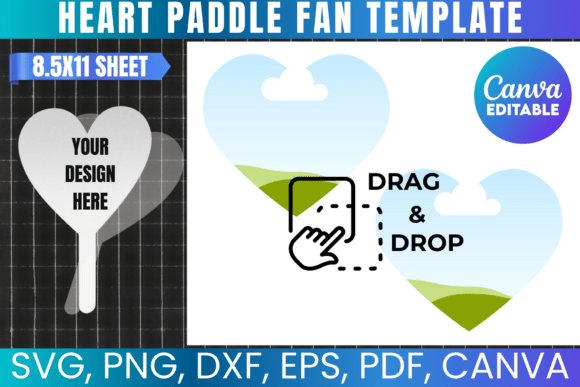
When I opened the 2.3 Bath Bomb Box Heart Window Template, my first thought wasn’t “cute” — it was “practical.” The heart-shaped window cutout feels intentional, not cutesy. It’s clean-lined, centered, and sized to sit comfortably on an 8.5 x 11 sheet — perfect for printing mockups or prepping digital assets in Canva. As a designer who’s stitched hundreds of custom items for Etsy sellers and boutique clients, I immediately pictured this as more than just a graphic: it’s a ready-made frame for personalization. Think embroidered baby onesies with a tiny monogram peeking through the heart, or a linen tea towel where the window reveals a delicate floral print underneath.
Where This Template Actually Shines (and Where It Needs Care)
I tested the 2.3 Bath Bomb Box Heart Window Template as part of a real project: a limited-run batch of organic cotton tote bags for a local bath & body brand. We used the heart window as a focal point — stitching the outline in satin stitch, leaving the center open to showcase a custom-printed bath bomb label beneath. The result? Clean, cohesive, and instantly recognizable. Customers loved how the embroidery didn’t overwhelm the product — it elevated it.
This template works especially well for:
- Embroidered patches — its balanced proportions hold up beautifully when stitched on twill or denim backing;
- Baby embroidery — gentle curves and open space reduce bulk on delicate fabrics like interlock knit;
- Holiday embroidery — pair it with red-and-cream thread for Valentine’s Day aprons or Easter pillow covers;
- Commercial embroidery — consistent sizing means easy digitizing for multi-item orders (e.g., matching sweatshirt + cap + tote sets);
- Digital embroidery file previews — since it’s designed for an 8.5 x 11 sheet, it scales cleanly into printable mockups for Etsy listings or client pitches.
Real Embroidery Considerations You Can’t Skip
Don’t assume “simple shape = foolproof stitch.” The 2.3 Bath Bomb Box Heart Window Template looks effortless, but execution depends entirely on your setup. On textured fabrics like terry cloth or bouclé, the satin stitch outline can snag or look uneven — test with a lightweight tear-away stabilizer first. On stretchy fabric (think ribbed baby bodysuits), use cut-away + topping to keep edges crisp. And if you’re planning dense fill stitches inside the heart or tight decorative accents around the border, check stitch density early — too much density on thin fabric causes puckering, especially near curved corners.
It’s also not ideal for very small hoop sizes (under 4 inches) without simplification. The subtle curve at the heart’s base and tapered points need breathing room. On caps or curved surfaces, consider flattening the bottom edge slightly in your embroidery software — otherwise, distortion creeps in.
How It Shapes Perception — and Why That Matters
Your customers don’t see “template.” They see intention. When the 2.3 Bath Bomb Box Heart Window Template is stitched cleanly on a linen kitchen towel, it reads as thoughtful design — not a generic clipart add-on. That perception lifts perceived value, builds trust in your handmade product, and supports brand consistency across physical and digital touchpoints. For Etsy sellers, that clarity translates directly to better engagement: buyers linger longer on listings with cohesive, professional-looking embroidery previews. For craft fair vendors, it helps your booth feel curated, not cluttered.
But missteps are visible, too. Poor thread color contrast (e.g., light pink satin stitch on heather gray fabric) makes the heart fade instead of frame. Tiny lettering added inside the window without adjusting stitch length gets lost. And skipping stabilizer testing on dark fabric? You’ll get shadowing or skipped stitches — undermining the “handmade premium” you’re selling.
Practical Designer Notes Before You Stitch
Before using the 2.3 Bath Bomb Box Heart Window Template in any embroidery project — personal or commercial — do these five things:
- Test on scrap fabric — same type, same color, same layering as your final piece;
- Check thread color contrast in natural light and under display lighting (many craft fairs use warm LED);
- Review stitch density — especially if adding text or secondary motifs inside the heart;
- Confirm hoop size compatibility — measure the widest point of the heart against your machine’s max hoop width;
- Inspect small details — zoom in on corners and curves in your embroidery software; adjust pull compensation if needed.
Also: run a black-and-white mockup to verify readability, compare how it reads on light vs. dark fabric backgrounds, and double-check licensing terms before selling finished items or bundling the template into your own digital product offerings. Since this is listed as a Canva Graphics asset, confirm whether it’s licensed for commercial embroidery use — many Canva elements aren’t cleared for physical resale unless upgraded.
Final Thought: A Frame, Not a Filler
The 2.3 Bath Bomb Box Heart Window Template isn’t flashy — and that’s its strength. It’s a quiet, confident design tool that works hardest when paired with strong content: a meaningful monogram, a soft watercolor print beneath the window, or a carefully chosen thread palette. Used intentionally, it supports storytelling rather than shouting over it. Whether you’re stitching personalized gifts, building a craft business, or refining your Etsy shop’s visual voice, this template earns its place in your design assets — not as decoration, but as deliberate framing. Just remember: great embroidery starts long before the needle moves. Test. Adjust. Trust your eye. Then stitch with confidence.